
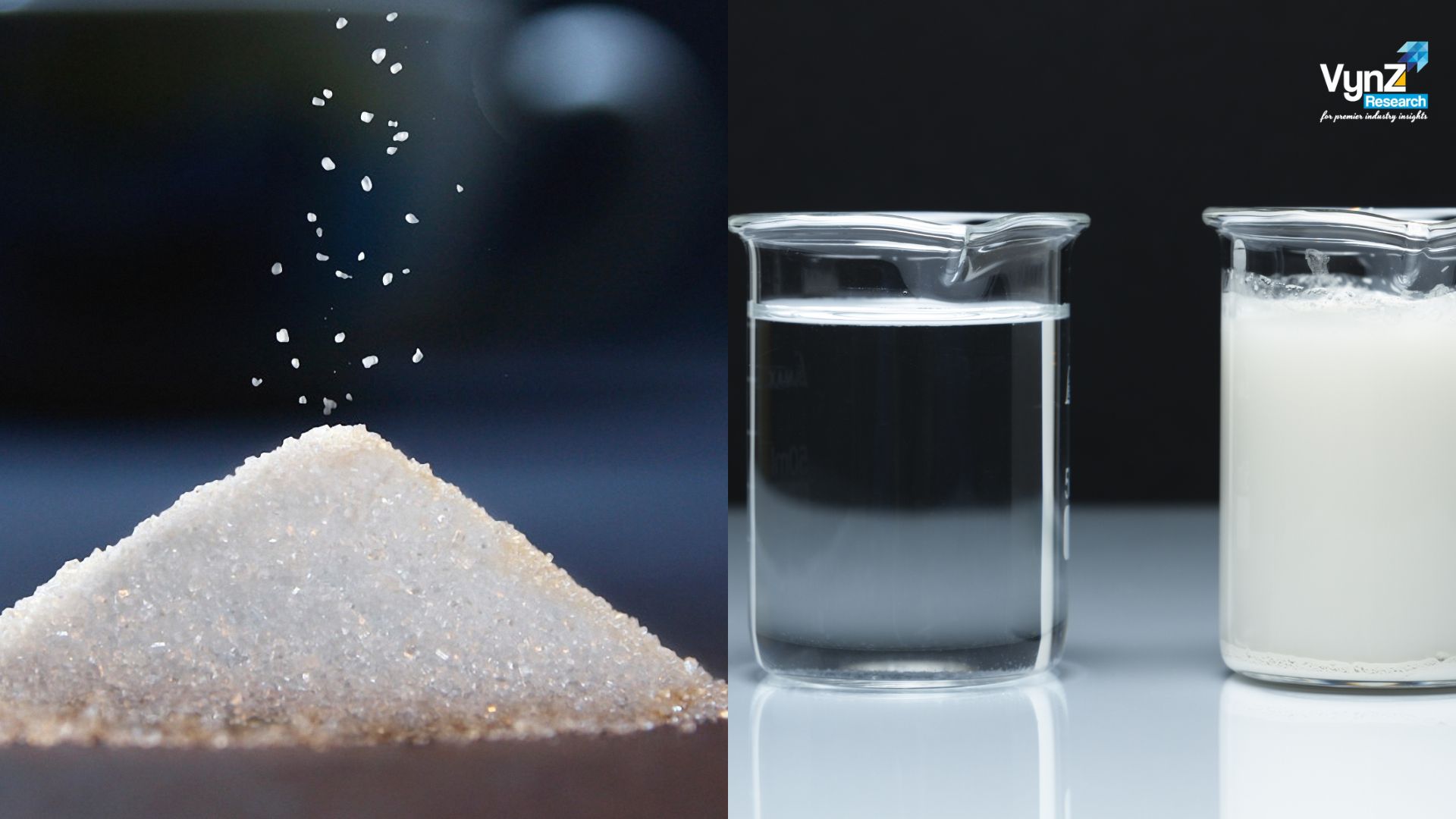
Microbial growth, for example, can greatly compromise the properties and/or appearance of any given item. Here comes sodium benzoate into play. It can be used as a preservative to slow down, if not prevent, microbial growth in precise environment, especially benefitting the pharmaceutical, food & beverage, and personal care industries.
For suppliers, this product offers more than just its basic characteristics. Its importance is also driven by launches, changing demands, regulations, formulations, and even production rates.
How Sodium Benzoate Works
The usefulness of sodium benzoate becomes evident when one looks at its impact. Specifically, under the right conditions, benzoic acid is able to disrupt reproduction and metabolic processes of various bacteria, yeast, and mold.
Notably, the effectiveness is determined by the pH level of a given solution. Simply adding the substance without taking into account other variables can lead to serious issues.
Understanding the connection can also help in using the solution to its fullest potential while being within the regulatory requirements.
Where Can It Be Used?
When it comes to applications, the food and beverage industry is not the only one that can benefit from sodium benzoate. The pharma, cosmetics, and personal care markets can all use it in specific solutions and formulations.
Notably, the use of the substance depends on the characteristics of the end product, as well as regulatory requirements.
Thus, it is evident that demand for the chemical is driven by different forces depending on the industry in question.
Its Importance in Food Production
As mentioned, the food production industry is one of the biggest beneficiaries of sodium benzoate. The reason behind this is simple – the substance is used in the preservation of acidic food products. It allows them to ensure that their goods will not simply rot in the storage facility.
However, there are also specific regulations that need to be followed, especially in different countries. When it comes to sodium benzoate, the interest in the preservative will be driven by the dynamics of the food processing market. Thus, those looking to benefit from the demand should do their best to identify trends within the space.
Declining Acceptance of Traditional Preservatives
As consumers become more health-conscious, the traditional preservatives market is in danger. Many customers that are concerned about their wellbeing prefer to avoid preservatives in their food items. This does not necessarily mean that there is no interest in such products. However, it is evident that manufacturers can greatly benefit from formulating solutions with fewer additives. As marketing experts know, it is critical to remain transparent with the audience on such matters.
The growing popularity of natural preservatives has created a major opportunity for innovation. The demand for preservatives is in direct connection with the desire to increase the shelf-life of any given product. Naturally, the rising interest in natural solutions has presented companies with major challenges, with traditional ones struggling to compete with the newcomers.
The Bigger Picture
When looking at the bigger picture, it is important to note that competition among preservatives also comes from other conservation methods. Notably, a company can significantly reduce the amount of substances like sodium benzoate by using innovative packaging solutions.
From a business standpoint, it is extremely important for the chemical producers to understand that not only synthetic additives present competition. Sometimes, a different approach to preserving can be much more cost-effective and beneficial.
The Regulatory Restrictions
Regulatory restrictions can impact any business, so companies must remain aware of the dynamics. Any preservative substance has its own set of restrictions, which directly impact a company’s ability to use it. The regulations tend to vary between industries and products, with certain ones being prohibited in specific environments. Notably, the requirements can differ from country to country, adding another layer of complexity.
Therefore, it is obvious that sodium benzoate suppliers should consider their presence in terms of the necessary approvals rather than the potential sales volumes. Notably, in some cases, one country may present more opportunities than the rest combined.
Quality of Chemical Products
The overall quality of chemical products plays an incredibly important part in the transaction. For buyers, the mere mention of a sodium benzoate supplier means one thing – ensuring that the quality and characteristics of the ingredient meet their requirements. For food and beverage producers, this is critical for the final quality of their own product. Other industries do not have any special demands, but their reputation is equally dependent on the ingredient.
It is evident that many buyers would be interested in an opportunity to meet their chemical partner and see the production processes firsthand.
Purity and other factors are essential when determining the quality. While any supplier will claim that their item is produced to perfection, there are always some factors that help in distinguishing between them.
How the Production Process Impacts Final Value
Much like most other industries, the ingredient sector is subject to the demands of supply and demand. Sodium benzoate manufacturers must consider their raw material costs, production expenses, transportation, and other expenses, while buyers will take into account a wide range of details.
In addition, there are some factors that can be outside of the control of both parties. Specifically, large-scale sellers tend to be almost fully dependent on a single source of supply, which can limit their capabilities.
For buyers, such circumstances mean that the cost is merely one part of the equation. It is worth paying special attention to the logistics and production capabilities of one’s chemical supplier.
Who Can Benefit from These Opportunities?
It is not only the ingredient manufacturers that can benefit from the trends in the sodium benzoate space. Distributors, chemical suppliers, food & beverage producers, pharma companies, personal care manufacturers, and other entities can all take advantage of the growing interest in preservation.
In addition, it is evident that the packaging market also plays a major role in the process. Notably, different businesses will have different considerations when looking for a reliable and affordable supplier. A chemical manufacturer representative, for instance, has different demands than a food producer that is looking to make a deal.
Therefore, it is important for those at the higher end of the supply chain to consider their options and analyze the demands of their potential clients.
Why Regional Demands Matter
While the global picture serves as a great reference point, it is imperative for sodium benzoate buyers to take into account the regional opportunities. Much like many other factors, demand can differ considerably from one country to another.
Notably, there are certain places where the processed food and beverage markets are more developed than in others. This is crucial to understand when considering the opportunities that a chemical supplier can take advantage of.
It is always much easier to predict the demands of one market as opposed to the entire world economy. As such, it may prove to be much more profitable to target a specific country rather than attempt to enter multiple at once.
Factors Influencing Supplier Selection
As mentioned, there are many criteria that a company must consider when selecting a reliable chemical supplier. Some of them are specific to an individual buyer, which is why it is hard to list them all.
That being said, it is obvious that the production capabilities of a firm, along with its general reputation in the industry, are crucial for any transaction. A potential buyer should also pay special attention to the characteristics of the sodium benzoate production. These would include documentation, support services, and the ability to produce the required product without interruption.
When it comes to large-scale cooperation, it is advisable to analyze the flexibility and responsibility of a chemical supplier.
Why These Opportunities Matter
The sodium benzoate preservative sector presents buyers with a wide range of factors to consider. In the same time, attention to detail allows for a company to pick out the opportunities that are relevant to them.
As the demand for processed food and beverage products continues to rise, it becomes extremely promising for ingredient manufacturers to keep their interest in the sodium benzoate market. At the same time, attention to factors such as the rising demands for clean and natural products, as well as the competition from substitutes, can allow for a broader look. For businesses that are looking to improve their position within this space, a closer inspection of these factors is vital for long-term success.
Insights for Sodium Benzoate Buyers
Looking at the bigger picture, any sodium benzoate supplier should not be limited to one perspective when analyzing the market. It is evident that there are many elements that are interconnected, with some influencing a single transaction while impacting the industry as a whole. For example, the rising demand for processed meals has impacted the food & beverage market, with its chemical producers taking notice. As such, sodium benzoate buyers should be aware that they can benefit greatly from a closer inspection of the opportunities available.
Conclusion
By analyzing the sodium benzoate preservative market, a company can not only identify the opportunities for growth in the short term, but also get a better idea of what to expect in the future. That way, not only can a business position itself for success, but it can also choose the partners it should work with.