
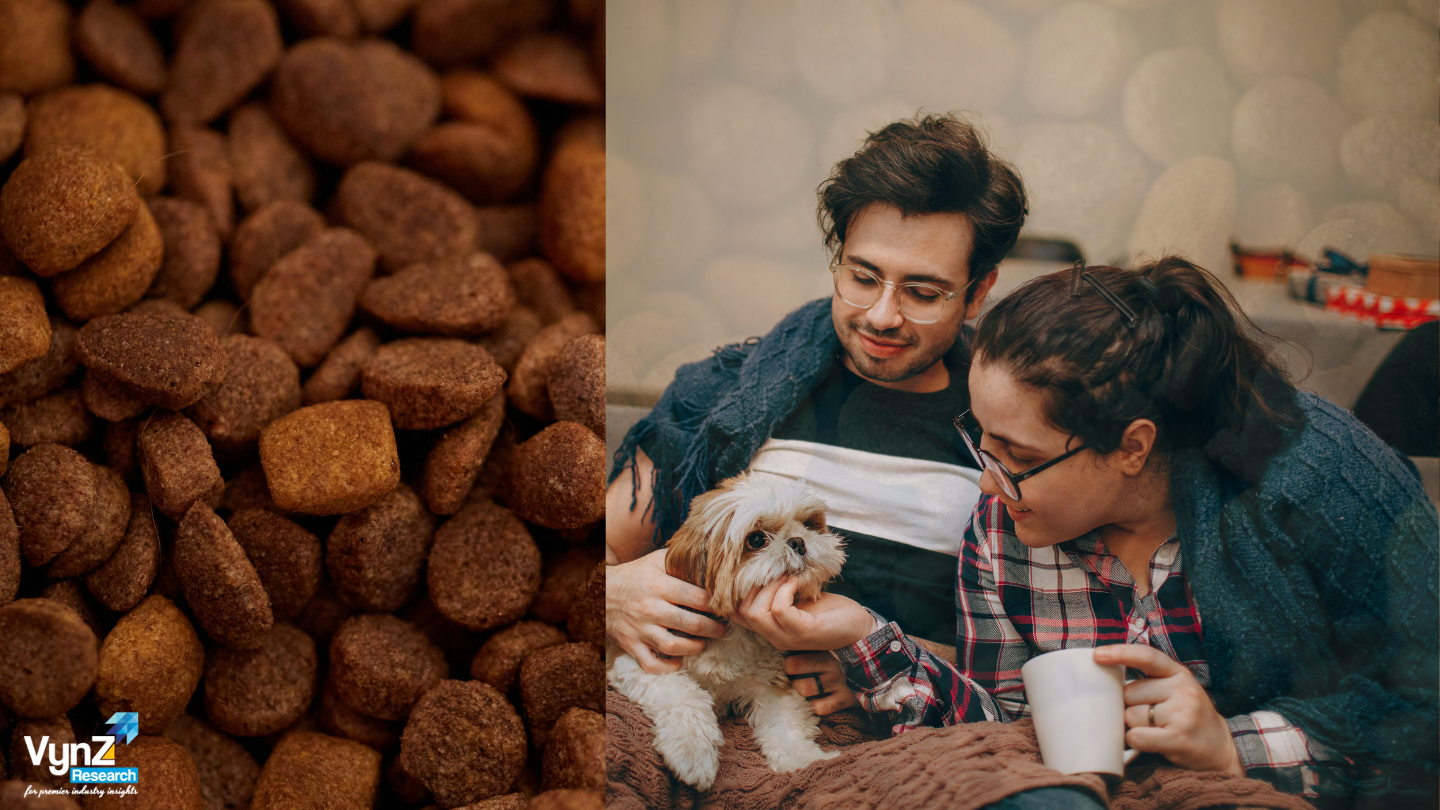
The machinery on a production floor of pet food processing in Asia pacific region is a lot more like what you’d find in a pharmaceutical plant than a traditional barn. As of late April 2026, the Asia Pacific pet food processing sector is going through a massive technical upgrade. It is not just making kibble anymore but manufacturing precision nutrition. With the market projected to reach $4.64 billion this year, the push is toward medical-grade and human-grade meals that mirror the wellness trends we see for people.
This isn't just about feeding animals; it’s about a multi-billion-dollar industrial pivot where texture, safety, and science-backed results are the new benchmarks for success.
Vietnam’s Turnkey Breakthrough: The Pet Like Milestone
One of the most concrete examples of this shift happened just two weeks ago on April 15, 2026. Pet Like, in a partnership with engineering giant Famsun, officially opened Vietnam's first high-end, dedicated pet food factory. This facility isn't just a shed with some mixers; it’s a fully integrated, automated line featuring smart control systems that adjust air pressure and flow in real-time. It’s a signal to the global market that Southeast Asian hubs are ready to manufacture premium products that meet the highest international hygiene standards.
The Clinical Bowl and Specialized Processing
There is a massive spike in demand for condition-specific diets. The food is made to treat all health problems which include urinary tract conditions and digestive disorders. In fact, these therapeutic formulations are expected to hold over 7% of the market share by the end of the year. For processors, this means moving away from simple extrusion to complex wet retort and specialized coating systems. The process needs exacting standards that enable operators to measure out small quantities of operational materials to maintain their health benefits across all food portions.
The 4.0 Manufacturing System
The 4.0 manufacturing system uses artificial intelligence technology to operate extruder machines. The latest plants coming online, like Mars Petcare’s massive facility in Tianjin, are using AI to solve the age-old cat pickiness problem. By using integrated operations centers, these plants monitor the texture and mouthfeel of the food as it is being made. If the density or crunch isn't exactly where it needs to be, the AI tweaks the heat and pressure on the fly. This level of control is essential in a cat food market that is now worth over $13 billion, where even a slight change in texture can cause a pet to reject the meal.
The Growth of Drools in India
The growth of Drools shows how Indian domestic champions developed their business operations. India currently leads the region with double-digit growth while China and Thailand maintain their status as the two most powerful countries. Domestic brands like Drools have achieved revenue beyond ₹10.5 billion and they use their earnings to build modern processing facilities. Global corporations must reduce their product prices while delivering better product quality because the domestic arms race creates a competitive environment. Local demand for food scientists and process engineers reaches its peak because international food companies must develop their products to meet local market needs.
Sustainability of Alternative Proteins
Sustainability has become an essential requirement for all upcoming capital expenditure projects. There is a significant push into insect-based proteins and circular sourcing. Manufacturers are looking to replace traditional fishmeal with more sustainable alternatives that have a lower environmental footprint but the same nutritional density. It’s not just a green PR move; in a region facing fluctuating commodity prices, securing a local, stable protein source is a vital business strategy.
The Industrial Shift Toward Personalized Nutrition
The divide between a traditional feed plant and a 2026 pet nutrition center is notable. By the end of this year, the manufacturers who win will be the ones who treat the pet bowl with the same rigor as the dinner plate. Between Vietnam’s high-tech rollout and the AI-driven precision in China, the industry has finally caught up to the humanization trend. The current state of pet food has transformed from its previous status as a basic product into a scientific high-tech essential which establishes the new global benchmark for product safety and quality.