
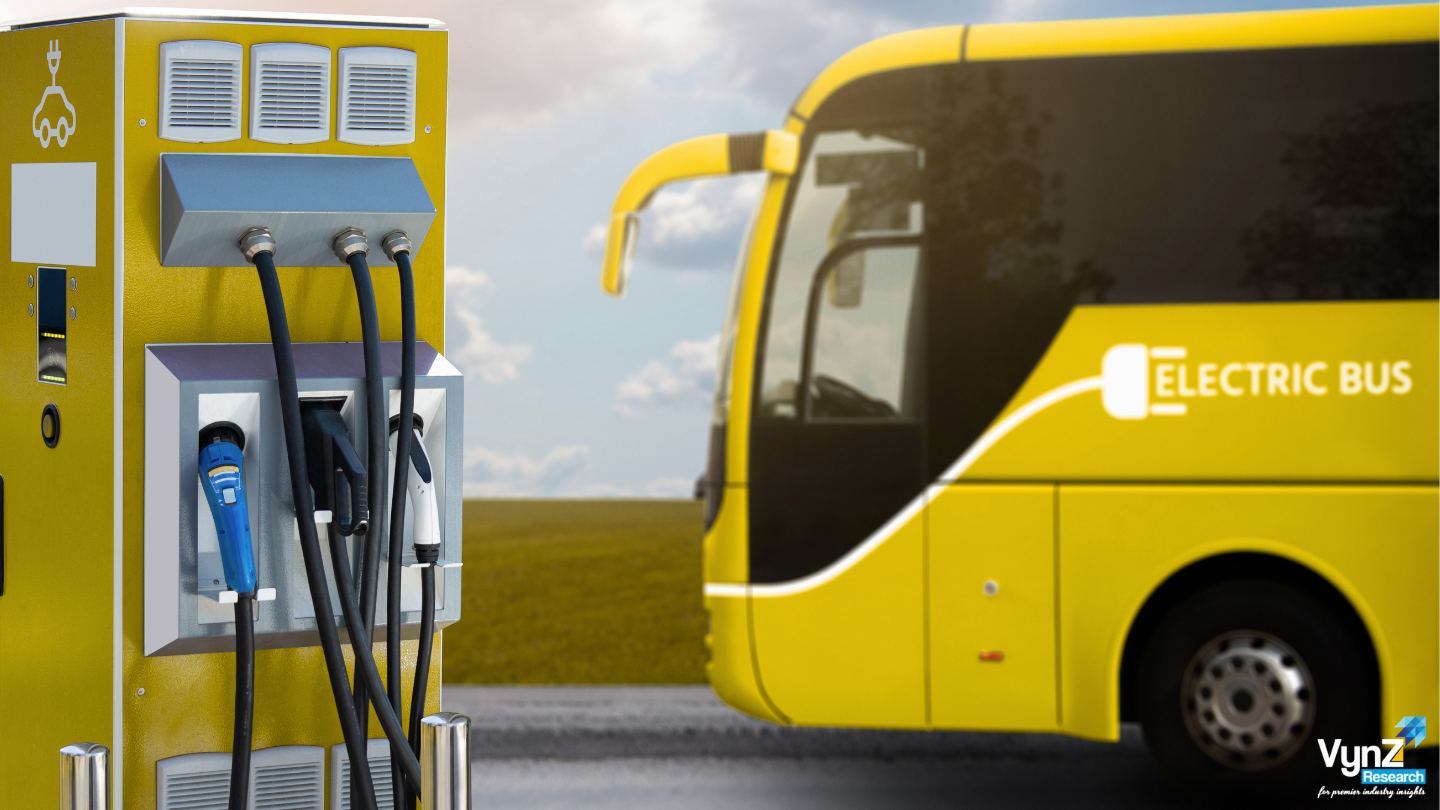
The blue-and-green transit stickers appearing on the sides of city buses aren't just for show anymore. If you’ve spent any time at a major transit hub in Singapore, Shenzhen, or Bangalore this month, you’ve likely noticed the thick, black exhaust of the old diesel fleet is being replaced by something much quieter.
As of late April 2026, the Asia Pacific electric bus market has shifted from government experiment to a full-scale industrial takeover. With the market hitting over $20 billion this year, it is witnessing a transition that is moving way beyond just swapping out engines. It is about a complete redesign of how millions of people move every single day.
The Driverless Debut: Singapore’s Bold Move
The biggest headline this April comes from the streets of Singapore. BYD Singapore just secured the country's first-ever contract for autonomous electric bus trials on public roads. This isn't just a gimmick; these shuttles are part of a massive S$322 million investment to deploy 660 new electric units by the end of the year. While the rest of the world is still debating the safety of autonomous vehicles, Singapore is proving that the future of public transit is a software-on-wheels model where the bus doesn't just drive; it optimizes its own energy usage in real-time.
The Indian Scale-Up: 23,000 Buses and Counting
In India, the sheer volume of the transition is finally hitting its stride. As of late April, the PM-eBus Sewa scheme has officially pushed the total number of allocated e-buses past the 23,800 mark. What’s interesting here isn't just the number of vehicles, but the gross cost contract model. Local transport authorities aren't just buying buses; they are buying a service. This shift has allowed states like Karnataka and Gujarat to deploy thousands of units without the massive upfront capital risk, effectively forcing the old diesel models into retirement years ahead of schedule.
The Hydrogen Wildcard: Japan and South Korea’s Bet
While most of Asia is doubling down on batteries, Japan and South Korea are playing a different game this month. Their main focus centers on Fuel-Cell Electric Buses (FCEBs) because these buses experience an impressive 27.8% growth rate which occurs because they solve the battery industry’s main challenge of powering extended inter-city travel. The upcoming April 2026 period will introduce hydrogen corridors which OEMs will now implement by including hydrogen supply arrangements in their bus contract deals. The solution enables emission-free transportation for routes that extend more than 100 kilometers.
The Mid-Size Sweet Spot
There’s also a significant shift in what kind of buses are being ordered. It is moving away from massive, lumbering articulated buses toward 9-to-12-meter mid-size units. These captured nearly 37% of the market share this quarter. Why? Because city planners have realized that maneuverability in dense, narrow Asian streets is more valuable than raw passenger capacity. These medium-sized buses are easier to charge, faster to deploy, and perfect for the hub-and-spoke transit models taking over cities like Seoul and Bangkok.
Depot Dilemmas: Solving the Power Bottleneck
The secret battle of 2026 isn't happening on the road; it’s happening at the charging depot. Many transit agencies are hitting a wall where their local electrical grids can’t handle charging 100 buses at once. This year there is a surge in smart load-management software. These are specialized micro-grids that use onsite battery storage to trickle charge during the day and blast power into the buses at night. It’s a technical fix that is finally allowing Tier-2 and Tier-3 cities to scale their fleets without waiting for a total grid overhaul.
The Transition Phase
The transition occurring in these regional hubs goes beyond a simple equipment replacement because it brings about an entirely new design for urban sound environments. The vibrating transit system which emitted dirt will become an outdated system by the year 2027. As battery prices bottom out and these high-tech depots become the norm, the goal has moved past simply meeting climate targets. It is finally building a transit system that is as smart as the smartphones you use to pay fares which is quiet, efficient, and almost completely invisible to the busy commuters who rely on it every day.