
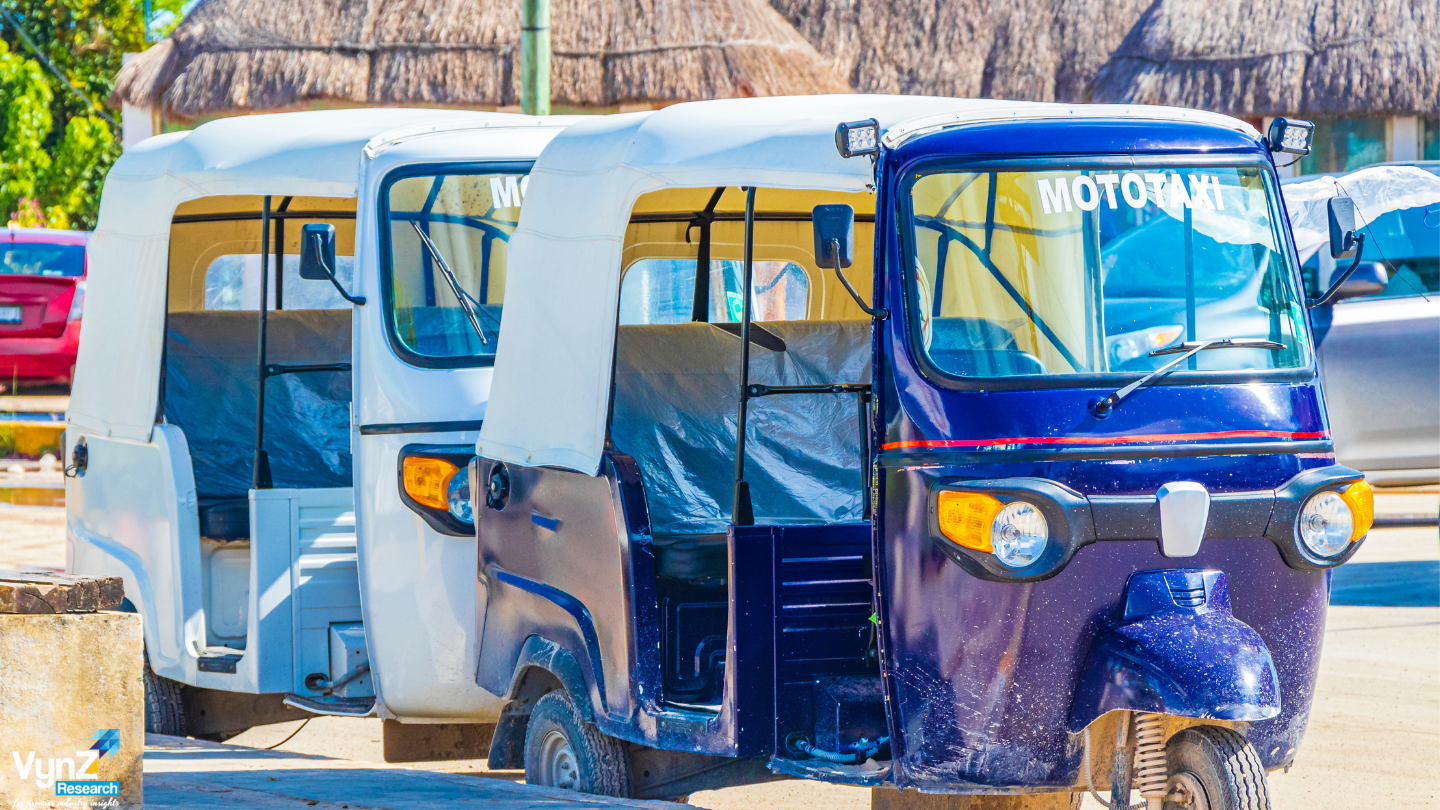
The street noise in Delhi, Bangkok and Jakarta has changed because you can hear different sounds from their busy markets. The city is experiencing a reduction in the loud two-stroke engines which produce their harsh rattling noise.
In its place is a quiet, electric hum. But as of April 2026, this isn't just a win for the environment; it’s a high-stakes business pivot. The region has officially moved past the era of flimsy, unbranded e-rickshaws. Today, the Asia Electric Three-Wheeler (3W) market is a massive industrial battlefield where heritage brands and tech startups are fighting for every street corner.
The numbers are pretty staggering. The market is on track to blow past $5.3 billion this year alone. But the real story isn't the data; it’s how these things are being built, paid for, and kept on the road in ways that finally make sense for the people driving them.
The Rapid-Fire Charging Revolution
For a long time, the biggest headache for a driver was downtime. If your battery takes six hours to charge, you aren't making money. That just changed. Atul Auto made a major announcement on April 24, 2026 when they revealed their plan to deploy 15000 electric three-wheelers that would use Exponent Energy rapid-charge technology. The complete charging process takes about 15 minutes. When you can top up your vehicle in the time it takes to have a cup of tea, the range anxiety argument basically evaporates. It’s a game-changer for commercial drivers who need to stay on the move.
The 15% Edge: Why the Math Finally Works
The biggest hurdle for these drivers was always the payback period. If you drive for a living, you need to know the switch to electric that won't eat your rent money. The mathematical situation has been resolved in 2026 because it has reached its final resolution. The cost of lithium-ion battery systems has decreased by 15% compared to gasoline-powered systems because battery costs have reached their lowest point.
A delivery driver in a city like Ho Chi Minh City or Mumbai is now saving around $4 to $5 a day on energy. In a world where every penny counts, that’s not just a bonus; it’s a life-changing raise that allows a driver to pay off their vehicle much faster than before.
Fintech and the Subscription Model
One of the coolest shifts this year is how people are actually buying these things. Most drivers can’t drop a few thousand dollars upfront. That’s where Fintech micro-leasing comes in. There is a surge in platforms that let drivers rent-to-own their vehicles with almost zero money down.
Then there’s battery swapping. Instead of owning the battery, which is one of the most expensive parts of the vehicle, drivers just subscribe to a service. You pull into a station, swap a dead pack for a fresh one in sixty seconds, and you’re gone. It’s turned the battery from a scary liability into a simple monthly utility, just like a data plan for your phone.
The Logistics Boom: More Than Just People
While passenger autos are still everywhere, the real explosion is in cargo. Every time you order a package or a hot lunch, there’s a good chance it’s moving on three wheels. E-commerce giants are now demanding 100% electric fleets to hit their 2030 climate goals. This has created a locked-in demand that’s pushing manufacturers like Mahindra and Bajaj to build tougher, heavy-duty 3Ws that can carry over 500 kg without breaking a sweat.
The Policy Pivot: Beyond Just Handouts
Government strategy is also getting smarter. In India, the latest updates to the PM E-DRIVE scheme show a move away from blanket subsidies. They are switching their focus from performance-based rewards to performance-linked incentives. The organization requires technologies which provide rapid and safe operation together with increased productivity. This is basically forcing out the fly-by-night assemblers who were selling low-quality kits and leaving the floor to the serious players who actually invest in safety and R&D.
An Evolved Asian Street
The gap between those old, noisy rickshaws and these new software-defined 3Ws is turning things for the better. By the end of this year, if a fleet operator isn't looking at electric, they are basically planning to go out of business. The auto-rickshaw has finally grown up. It’s leading the charge for Asia’s green transition because it’s finally become the more profitable choice. It’s no longer just about moving point A to point B; it’s about a system that’s cheaper, quieter, and honestly, just a whole lot smarter.